What’s Cooking on the PCT

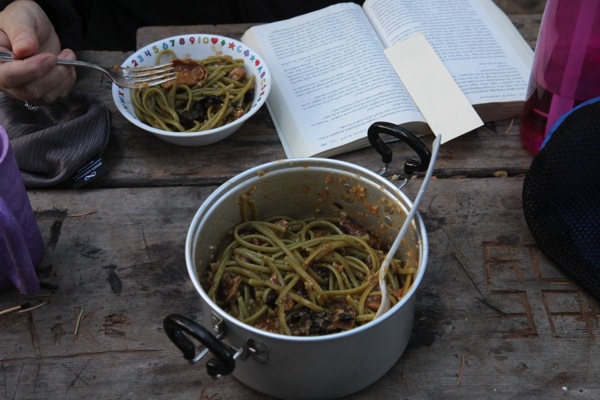
If you’d like to eat better on the trail, you should get this book with the favorite recipes from more than forty PCT hikers. Most trail cookbooks follow a single style, but this one is a wide-ranging trip through different styles of prep (home dehydration, supermarket food, no cook) and eating (big breakfast, vegan, high protein).

What’s Cooking on the PCT 2015 is the first of a planned yearly collection from Pacific Crest Trail thru-hikers.

Continue reading

MSR Wins Again

The troop’s MSR WhisperLite stoves just keep going, even though the Scouts lose the windscreens. But we can buy replacements. Now, the stuff sacks are just worn out, but I e-mailed MSR and they are available as parts, though not listed on the website.

MSR stuff sacks

So, for $10 each, our stoves have brand new stuff sacks to keep the soot off the rest of our gear. They don’t say “WhisperLite” like the old ones, but they are pretty obviously MSR stove bags.

The next time I need a backpacking stove, I’ll think about who might have spare parts for me twenty years from now. MSR will be high on the list.

A Gift for your Backpacking Chef

We can all find dehydrated onions, but what about dehydrated carrots or cabbage? Make sure that your backcountry chef has what they need.

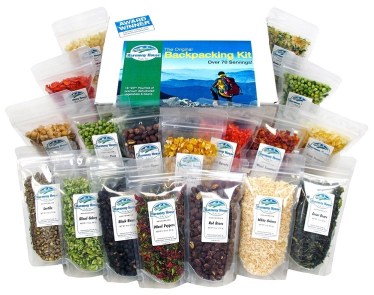
The Harmony House Backpacking Kit is a collection of eighteen packages of different kinds of freeze-dried vegetables. Each package is one cup of freeze-dried vegetables in a zip-lock bag. The kit is about $50 from most sources.

Backpacking kit

Continue reading

Supermarket Backpacker

I came for the flannel, but I stayed for Harriett. I didn’t see this book in 1977, but I’m glad I found it now.

I bought a used copy of Supermarket Backpacker by Harriett Barker and I love it. This sentence starting at the bottom of page one may be the truest thing ever written in a cookbook: “Don’t forget that water is the only thing you can cook really well when backpacking in the high mountains.” I have proved that it is true in the flatlands, too. Ask the other members of the Raccoon Patrol.

Continue reading

Solo Stove Campfire

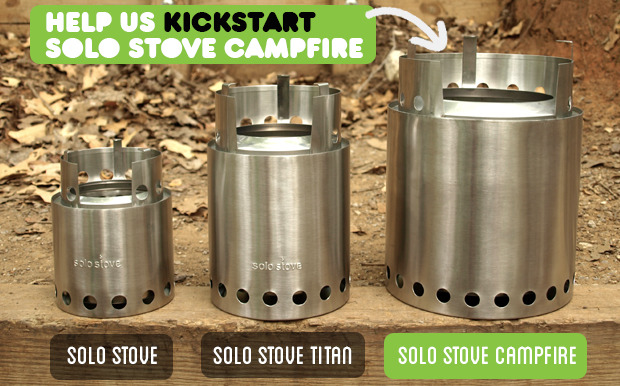
This looks really interesting as a patrol-sized wood-fueled backpacking stove. I have the smallest model, which is great for one or two people. This is sized for more people and should work great for a Boy Scout patrol (around eight).

The design is about 7″ in diameter and about 9″ tall. That is roughly the size of a squared-off gallon milk jug, if you make a cylinder around the outside edges. It weighs two pounds, which is substantial, but not bad for a stove to feed a patrol. Remember, no fuel weight, only firestarter material.

Continue reading

Planning a Vegan Backpacking Menu

Tina and I are going vegan for September, and we have a backpacking outing planned for the last weekend of the month. Teresa Marrone’s The Back-Country Kitchen is, once again, looking like the best resource.

Breakfast and lunch are not a challenge. I often have a Lärabar for breakfast at home. Oatmeal, bars, dried apricots (only Blenheims), figs, cashews, whatever, will get us through until dinner. But dinner is a challenge.

Continue reading

Hand Sanitizer is not Enough

I’m seeing more and more backcountry books that suggest using hand sanitizer by itself. That does not work. Soap and water is necessary, sanitizer is optional.

The Scouts Backpacking Cookbook is one of those with that bad advice. The BSA Handbook gets it right. Wash your hands with soap and water.

Clean hands are important in the backcountry. People who know, like Tod Schimelpfenig, Curriculum Director at the Wilderness Medicine Institute of the National Outdoor Leadership School, believe that dirty hands are a bigger health risk than dirty water.

Continue reading

Scout One Pot Stew

If you want to get started on trail cooking, turn to page 318 of The Boy Scout Handbook (14th edition, page 336 in the 13th edition). Choose one ingredient from each column, scale the amounts, and you are on your way.

Since the 11th edition Scout handbook in 1998, the cooking chapter has included a great “choose your own stew” recipe. It might have been in the 10th edition, but I don’t have one of those handy.

The 11th and 12th edition have slightly different lists, so I’ve combined both to make one table. I’ve also split vegetables out into their own column, since they are not really the same thing as cheese or nuts.

Continue reading

Cooking Merit Badge: Trail Cooking Fail

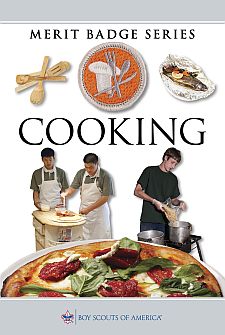
Cooking coverI had high hopes for the backpacking recipes in the 2014 Cooking merit badge pamphlet, but I’m deeply dissapointed. The previous edition listed a single entree with no vegetables and two dutch oven desserts. The new edition has two entrees, but neither can work as trail meals. The first recipe uses raw meat, forbidden in the requirements. The second is mostly heavy canned ingredients. Both have excess that you either toss (violating LNT) or pack out.
This pamphlet is an obstacle to a Scout working on Cooking merit badge. These recipes fail the requirements and direct the Scout towards a style of cooking which doesn’t work for backpacking. These recipes are not “quick, light, and easily stored” (page 47).

Continue reading

Trail Cooking — Homemade Backpacking Meals

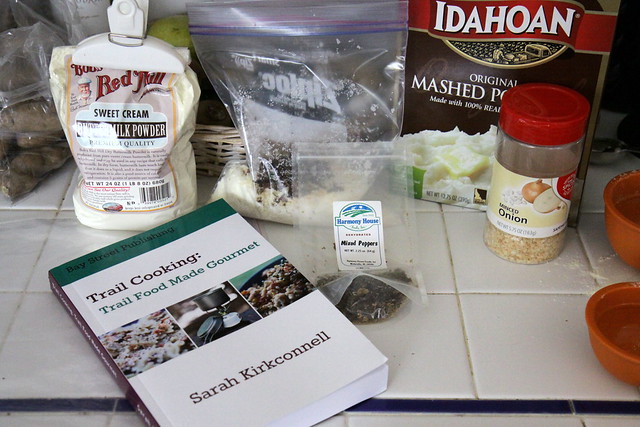
Prepackaged backpacking food is often blah and expensive. If you’ve thought “I could do better than this”, start with this book, Trail Cooking: Trail Food Made Gourmet. This is the brand-new cookbook from Sarah Kirkconnell, who writes at trailcooking.com.

The meals I’ve made from this book and it’s predecessor, Freezer Bag Cooking, are easy to make, cost half as much as pre-made backpacking meals, and are bigger portions, that is, enough food.

I made “Cheese Steak Mashers” (page 171) for a weekend backpack that was forecast to be wet and cold (it was). Here is the ready-to-pack meal (the bag in the center) along with the ingredients.

IMG_6906_leveled

Continue reading

Veggie Exotic Couscous (Freezer Bag Cooking)

This is a surprisingly tasty meal. I always use this in my cooking demos and people are always a bit suspicious until they taste it. Then they want seconds. For a purely vegetarian (even vegan) dish, use vegetable bouillon instead of chicken bouillon.

On a whim, I threw in dried apricots and I was really happy with that addition. If you can get them, use local Blenheim apricots rather than the cheap stuff. Once you’ve had Blenheims, the Turkish apricots taste like cardboard. Trust me.

Continue reading